- Free Consultation 24/7: (800) 337-7755 Tap Here to Call Us












Indoor Fire Pit Lawsuit Alleges Flame Jet Set Woman’s Body on Fire


Lawsuit Raises Concerns About Flame Jetting and Severe Burns From Alcohol-Fueled Fire Pits
Small tabletop and indoor fire pits are often marketed as convenient ways to create an open flame without a traditional fireplace. Many use ethanol, bioethanol, or isopropyl alcohol as fuel and may be promoted for creating ambiance, roasting marshmallows, or providing a small decorative flame.
However, a recently filed product liability lawsuit alleges that an indoor fire pit caused a catastrophic flame-jetting incident that set a woman’s body on fire and left her with severe burn injuries.
According to the lawsuit, the incident occurred when alcohol fuel was being added to the fire pit. The complaint alleges that flames traveled into or toward the fuel container and created a sudden flame jet, causing burning fuel to spray onto the plaintiff.
The case is part of growing concern surrounding alcohol-burning tabletop and indoor fire pits. The U.S. Consumer Product Safety Commission (CPSC) has warned that certain fire pits using pooled alcohol fuels may cause dangerous flame jetting and uncontrolled pool fires.
If you or a loved one suffered serious burns involving an indoor or tabletop fire pit, you may have legal options under product liability law.
The Law Offices of Jason Turchin represents individuals nationwide in claims involving fire pit explosions, flame jetting, defective consumer products, and catastrophic burn injuries.
What Does the Indoor Fire Pit Lawsuit Allege?
According to reports, the recently filed lawsuit alleges that an alcohol-fueled indoor fire pit caused a sudden flame-jetting event while the product was being refueled.
The complaint alleges that a flame traveled toward the fuel source, causing burning alcohol to erupt and ignite the plaintiff’s body. Rather than remaining contained within the fire pit, the burning fuel allegedly spread directly onto the woman. The lawsuit claims that she suffered severe burn injuries as a result.
The plaintiff alleges that the fire pit was defective and unreasonably dangerous because of its design and the risks associated with refueling the product.
What Is Flame Jetting?
Flame jetting is one of the most serious hazards associated with certain liquid-alcohol fire pits.
It may occur when a person pours alcohol fuel into or near a fire pit while a flame or ignition source remains present.
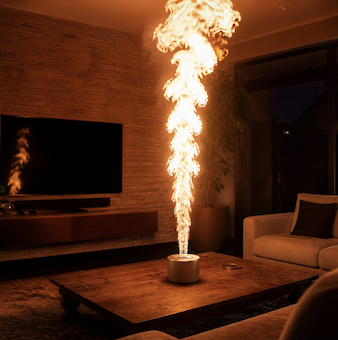
Alcohol flames may be extremely difficult to see, particularly in bright environments. A consumer may therefore believe the flame has gone out when the product is actually still burning.
If additional fuel is poured near the residual flame, ignition may travel through the stream or vapor of fuel toward the container.
The resulting event may propel:
- Flames
- Burning alcohol
- Hot fuel
- Fire toward the person refueling
- Fire toward nearby bystanders
Unlike an ordinary flare-up, flame jetting may project burning liquid away from the fire pit and directly onto a person’s body.
The entire event may occur in seconds.
Why Can Flame Jetting Set Someone’s Body on Fire?
Liquid alcohol behaves differently from wood or other solid fuels.
If burning alcohol lands on a person’s clothing or skin, the liquid may spread across the body while continuing to burn.
A victim may suffer burns involving multiple areas at once, including the:
- Face
- Neck
- Chest
- Abdomen
- Back
- Arms
- Hands
- Legs
Clothing may also absorb the fuel, allowing flames to continue burning directly against the skin.
As a result, a flame-jetting event may cause extensive burns across a large percentage of the body.
CPSC Warns About Alcohol-Fueled Tabletop Fire Pits
The CPSC has issued significant warnings concerning certain fire pits that use pooled alcohol fuels.
Federal safety officials have warned that products requiring consumers to pour isopropyl alcohol, ethanol, bioethanol, or similar fuels into an open container and ignite the pooled liquid may present an unreasonable risk of serious injury or death.
The CPSC has identified two major hazards:
Flame Jetting
A flame may travel into a fuel container during refueling and violently propel burning fuel toward nearby people.
Pool Fires
Spilled or escaped alcohol may ignite outside the intended burner and create an uncontrolled fire.
Federal safety officials have associated hazardous products within this broader category with deaths and dozens of serious burn injuries.
Alcohol Flames May Be Difficult to See
One factor that may make these products particularly dangerous is the appearance of an alcohol flame.
Depending on lighting conditions and the fuel involved, the flame may appear:
- Faint
- Blue
- Nearly transparent
- Difficult to see in daylight
A consumer may therefore mistakenly believe that a fire pit is no longer burning.
Attempting to refill a fire pit under those circumstances may create an extremely dangerous situation.
A product liability investigation may examine whether the manufacturer adequately warned consumers about this risk and whether the product incorporated reasonable safeguards against refueling while a flame remained present.
Fires Caused By Fire Pits
Flame jetting is not the only concern involving alcohol-fueled fire pits.
A fire may occur when liquid fuel spills or escapes from the burner and ignites outside the intended combustion area. Because the fuel is liquid, it may travel across surrounding surfaces while burning.
Flames may potentially spread across:
- Tables
- Countertops
- Floors
- Rugs
- Furniture
- Decks
- Clothing
- Bedding
- Nearby decorations
An indoor fire may become particularly dangerous because flames may quickly reach combustible household materials and spread through a room.
Indoor Use May Create Additional Risks
An alcohol-burning product used indoors may place an open flame near numerous combustible materials.
Depending on where the product is positioned, nearby materials may include:
- Curtains
- Upholstered furniture
- Rugs
- Tablecloths
- Paper products
- Clothing
- Bedding
- Decorations
People may also sit close to a tabletop fire pit because of its small size and decorative purpose.
If a flame-jetting incident occurs, nearby consumers may have little time to react.
An uncontrolled fire may also create risks of smoke inhalation and structural property damage.
How Hot Can Alcohol Fire Pit Flames Become?
Alcohol fuels may produce extremely high flame temperatures.
The CPSC has warned that fuels such as isopropyl alcohol, ethanol, and bioethanol may produce flames exceeding 1,600 degrees Fahrenheit.
At these temperatures, severe burns may occur almost immediately.
According to federal safety warnings involving this product category, exposure may potentially cause third-degree burns in less than one second.
When burning liquid is projected directly onto someone’s body, the exposure may continue until the fuel is extinguished or removed.
Common Injuries From Indoor Fire Pit Accidents
Second-Degree Burns
Second-degree burns may cause severe pain, blistering, swelling, and damage extending beneath the outer layer of skin.
Third-Degree Burns
Third-degree burns destroy the full thickness of the skin and may damage deeper tissue.
Treatment may require:
- Burn center hospitalization
- Debridement
- Skin grafting
- Reconstructive surgery
- Physical therapy
- Occupational therapy
Facial Burns
Flame jetting may project burning alcohol directly toward a consumer’s face.
These injuries may cause permanent scarring, disfigurement, or eye damage.
Respiratory Injuries
A spreading indoor fire may expose victims to smoke, gases, and combustion products.
Permanent Scarring and Disfigurement
Severe burns may leave permanent scars across highly visible areas of the body.
Victims may require multiple reconstructive procedures and long-term medical care.
Psychological Injuries
A catastrophic fire may also result in lasting emotional and psychological effects, particularly when a victim suffers extensive scarring or disfigurement.
Other Fire Pit Recalls and Safety Warnings
Federal safety regulators have taken action involving several alcohol-burning tabletop fire pit products.
These have included recalls or stop-use warnings involving products sold under brands such as:
- Colsen
- Houswise
- Rozato
- Other sellers of open-container alcohol-burning tabletop fire pits
Reported incidents involving some of these products have included severe third-degree burns, flame jetting, uncontrolled fires, and death.
A recall involving another manufacturer’s fire pit does not prove that the product involved in a particular lawsuit is defective.
However, these regulatory actions demonstrate why federal safety officials have expressed serious concerns about certain designs involving pooled liquid alcohol.
Product Liability Claims Involving Indoor Fire Pits
A person seriously injured by an allegedly defective fire pit may potentially pursue several types of product liability claims.
Design Defect
A lawsuit may allege that the fire pit’s fuel reservoir, burner, or overall design created an unreasonable risk of flame jetting or uncontrolled fire.
Potential design issues may involve:
- Open fuel reservoirs
- Lack of flame arrestors
- Inadequate spill containment
- Refueling design
- Inadequate extinguishing systems
- Lack of safeguards against refueling while lit
Manufacturing Defect
A particular fire pit may contain defects introduced during manufacturing or assembly.
Failure to Warn
A manufacturer or seller may allegedly fail to provide adequate warnings concerning:
- Flame jetting
- Invisible alcohol flames
- Refueling hazards
- Fuel compatibility
- Spill hazards
- Indoor use
- Safe extinguishing procedures
Negligence
Manufacturers, importers, distributors, and sellers may potentially face claims alleging failures involving product design, testing, inspection, warnings, or safety monitoring.
Whether any claim is available depends on the evidence and applicable law.
Who May Be Responsible for a Fire Pit Burn Injury?
Depending on the circumstances, potentially responsible parties may include:
- The fire pit manufacturer
- Importers
- Distributors
- Retailers
- Online marketplace sellers
- Component manufacturers
- Fuel manufacturers
A detailed investigation may be necessary to identify every company involved in bringing the fire pit and fuel to market.
Can a Bystander File a Fire Pit Lawsuit?
Potentially. Flame jetting may injure someone who did not purchase, light, or refuel the fire pit.
Potential victims may include:
- Family members
- Friends
- Guests
- Children
- Restaurant patrons
- Other nearby individuals
Because flame jetting may propel burning liquid several feet away from the fire pit, people standing nearby may suffer catastrophic injuries.
A bystander’s potential claim should be evaluated based on the circumstances of the incident and applicable law.
Compensation Available After a Flame-Jetting Injury
Depending on applicable law and the circumstances, someone seriously burned by an allegedly defective fire pit may potentially seek compensation for:
- Emergency medical treatment
- Hospitalization
- Burn center care
- Skin graft procedures
- Reconstructive surgery
- Physical rehabilitation
- Future medical expenses
- Lost wages
- Reduced future earning capacity
- Pain and suffering
- Permanent scarring
- Disfigurement
- Psychological injuries
- Property damage
If a fire pit accident results in death, eligible surviving family members may potentially pursue wrongful death damages.
What Should You Do After an Indoor Fire Pit Accident?
If you or a loved one suffered serious burns involving an alcohol-burning fire pit:
- Seek immediate medical treatment.
- Preserve the complete fire pit.
- Preserve the fuel bottle and remaining fuel when it can be safely stored.
- Do not clean, repair, refill, or test the product.
- Photograph the fire pit and accident scene.
- Photograph injuries throughout the healing process.
- Preserve damaged clothing.
- Keep product packaging and instructions.
- Save receipts and online purchase records.
- Preserve witness information.
- Obtain fire department reports when applicable.
- Contact an attorney experienced in product liability and burn injury litigation.
The physical product and fuel container may become critical evidence.
Why Preserving the Fuel Container Matters
In a flame-jetting case, investigators may need to examine not only the fire pit but also the fuel container involved.
Evidence may help determine:
- What fuel was used
- How the fuel was packaged
- Whether a flame traveled toward the container
- Whether burning fuel was expelled
- Whether warnings addressed refueling
- Whether the fuel was recommended for the fire pit
- How the accident occurred
Do not discard the fuel container following a serious incident if it can be safely preserved.
How the Law Offices of Jason Turchin Can Help With Fire Burn Lawsuits
The Law Offices of Jason Turchin represents individuals nationwide in product liability claims involving alcohol-burning fire pits, flame jetting, explosions, and catastrophic burn injuries. We have handled fire pit burn cases, and can review your case to see if you may be entitled to compensation.
In an indoor fire pit lawsuit, our firm can assist by:
- Preserving the fire pit and fuel evidence
- Investigating the cause and origin of the fire
- Examining the alleged flame-jetting mechanism
- Reviewing CPSC warnings and similar incidents
- Researching prior complaints and recalls
- Identifying manufacturers, importers, sellers, and other potentially responsible parties
- Working with fire investigation and engineering professionals
- Documenting medical expenses and long-term injuries
- Pursuing compensation through settlement negotiations or litigation
We handle qualifying cases on a contingency fee basis, meaning there are no attorneys’ fees or costs owed to us unless compensation is recovered.
For a free consultation, call (800) 337-7755 or visit www.jasonturchin.com.
Frequently Asked Questions
What does the indoor fire pit lawsuit allege?
The lawsuit reportedly alleges that an alcohol-fueled indoor fire pit caused a flame-jetting incident that projected burning fuel onto a woman and set her body on fire, causing severe burn injuries.
What is flame jetting?
Flame jetting may occur when alcohol fuel is poured near a remaining flame or ignition source. Fire may travel toward the fuel container and cause flames or burning liquid to erupt toward consumers.
Why are alcohol flames difficult to see?
Alcohol may burn with a faint or nearly transparent flame, particularly in bright conditions. This may make it difficult for consumers to determine whether the fire is completely extinguished.
What is a pool fire?
A pool fire occurs when liquid alcohol spills or escapes and ignites outside the intended burner area. Because the burning fuel can flow, flames may rapidly spread across nearby surfaces.
Can an indoor fire pit cause third-degree burns?
Yes. The CPSC has warned that fuels used in certain alcohol-burning tabletop fire pits may produce temperatures exceeding 1,600 degrees Fahrenheit and may cause third-degree burns extremely quickly.
Have alcohol-burning fire pits been recalled?
Yes. The CPSC has recalled or issued stop-use warnings involving several brands of alcohol-burning tabletop fire pits. A recall involving another product does not establish that every fire pit is defective.
Can I file a claim if I was a bystander?
Potentially. A person injured by flame jetting or burning fuel may have legal options even if someone else purchased or operated the fire pit.
What should I preserve after a fire pit accident?
Preserve the fire pit, fuel container, remaining fuel, packaging, instructions, purchase records, photographs, damaged clothing, and medical documentation whenever it is safe to do so.
Does a fire pit have to be recalled before I can file a lawsuit?
No. A product does not necessarily need to be recalled for an injured consumer to pursue a product liability claim.
Do you handle flame-jetting lawsuits nationwide?
The Law Offices of Jason Turchin represents individuals throughout the United States in fire pit, product liability, and serious burn injury claims. See if we can help with your case.
