- Free Consultation 24/7: (800) 337-7755 Tap Here to Call Us











Ozempic Vision Loss Lawsuit Alleges Man Lost Sight After Injections


People who used Ozempic and later developed sudden vision loss, including optic nerve damage, may be able to pursue an Ozempic vision loss lawsuit against the drug’s manufacturer if the risk was not adequately disclosed. Claims can seek compensation for medical bills, lost income, and pain and suffering. Call 800-337-7755 for a free consultation.
A recently filed product liability lawsuit claims that a man suffered vision loss after using Ozempic injections. The case adds to a growing number of legal claims questioning whether patients were properly warned about possible eye problems linked to this popular diabetes medication. If you or someone you love noticed changes in vision after starting Ozempic, this story may raise important questions about your own situation.
What an Ozempic Lawsuit Alleges
A lawsuit may allege that use of Ozempic injections caused a loss of vision. The claim is generally brought as a product liability case, which typically means the plaintiff argues that the drug maker should be held responsible for harm caused by its product.
Ozempic is manufactured by Novo Nordisk and is approved by the U.S. Food and Drug Administration to help manage type 2 diabetes. It belongs to a class of drugs known as GLP-1 receptor agonists. Many people also know the same active ingredient, semaglutide, through its use in weight loss medications. Because millions of people now take these drugs, questions about side effects have drawn significant attention from patients, doctors and the legal community.
Lawsuits of this kind often center on a central question: did the manufacturer know, or should it have known, about a potential risk to vision, and did it share that information clearly with doctors and patients? These are allegations at this stage, and the drug maker has the opportunity to respond in court.
Why Vision Problems Have Become a Concern
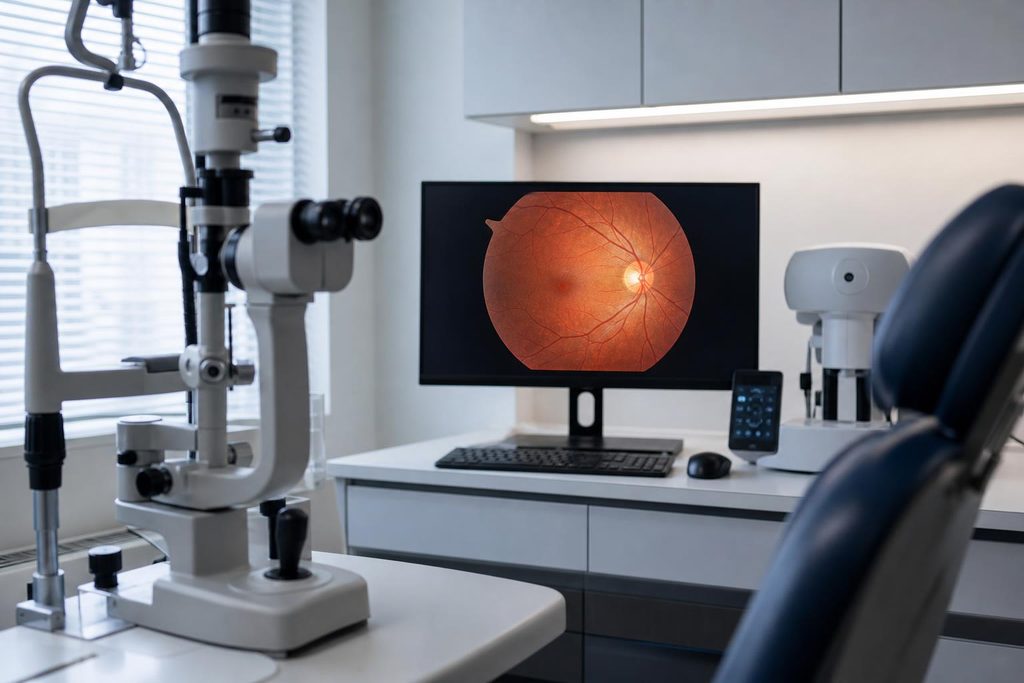
Researchers have published studies in medical journals examining a possible connection between semaglutide and a serious eye condition called non-arteritic anterior ischemic optic neuropathy, often shortened to NAION. This condition involves reduced blood flow to the optic nerve and can cause sudden, painless vision loss, usually in one eye. In some cases, the damage may be permanent.
The science is still developing, and not every vision problem is connected to a medication. However, the questions raised by this research are part of why some patients are now looking at their legal options.
How Product Liability Law May Apply
Drug injury claims usually fall under the broader area of product liability law, which can hold manufacturers responsible when a product causes harm. Most cases are built around one or more recognized theories, explained in our guide to the three main types of product liability claims:
- Failure to warn: The manufacturer may not have provided adequate warnings about known or knowable risks.
- Design defect: The product itself may carry risks that outweigh its benefits as designed.
- Negligence: The company may have failed to use reasonable care in testing, monitoring or labeling the drug.
In many pharmaceutical cases, the failure to warn theory plays a central role, since the question often comes down to what patients and prescribing doctors were told.
Examples of Situations That May Lead to a Claim
Every case depends on its own facts. The following hypothetical examples are offered only to show the kinds of circumstances that may prompt someone to speak with a lawyer. They are not actual clients or case results.
- Sudden loss in one eye: A retiree taking Ozempic for diabetes wakes up with blurred or dark vision in one eye, and an eye doctor later diagnoses optic nerve damage.
- Vision loss affecting work: A delivery driver develops permanent vision changes after months on semaglutide and can no longer safely drive for a living.
- Ongoing medical treatment: A patient faces repeated specialist visits, testing and long-term care after a diagnosis of NAION while using the medication.
In each scenario, a lawyer would want to review medical records, prescription history and the timing of symptoms before giving any opinion about a possible claim.
What to Do If You Experienced Vision Loss on Ozempic
- Get medical care first: Sudden vision changes can be a medical emergency. See a doctor or eye care provider promptly.
- Talk to your prescriber: Do not stop or change any medication without medical advice.
- Keep your records: Save pharmacy receipts, injection pens or packaging, and notes on when symptoms began.
- Write down your experience: A simple journal of symptoms, appointments and daily limitations can be helpful later.
- Speak with an experienced lawyer: Florida law sets deadlines for filing claims, and the time limit may depend on the type of claim and the facts involved.
Compensation That May Be Available
If a claim moves forward, an injured person may be able to seek damages for medical expenses, future care, lost wages, reduced earning ability, and the emotional and physical toll of losing some or all of their vision. Losing sight can change how a person works, drives, reads and enjoys time with family. Our article on how pain and suffering may be calculated in Florida explains how these harder-to-measure losses are often evaluated.
Frequently Asked Questions
Who may be able to file an Ozempic vision loss lawsuit?
People who used Ozempic or another semaglutide medication and later developed serious vision problems, such as optic nerve damage, may be able to explore a claim. A lawyer can review your medical history to help determine whether your situation may qualify.
Do I need a diagnosis of NAION to have a case?
Not necessarily, but a clear medical diagnosis can be important. Each claim depends on the specific injury, the medical evidence and the timing of symptoms in relation to medication use.
Can I still file if I stopped taking Ozempic?
Possibly. Stopping the medication does not automatically prevent a claim. What matters most is when the injury occurred and whether you file within the applicable legal deadline.
How much does it cost to talk to a lawyer?
At the Law Offices of Jason Turchin, consultations are free, and cases are handled on a contingency fee basis, with fees and costs waived if there is no recovery.
Is there a class action for Ozempic vision loss?
Drug injury cases are often filed as individual lawsuits, sometimes grouped together for pretrial purposes. The right approach can depend on your circumstances, which is why a personal review of your case may be helpful.
Why Choose the Law Offices of Jason Turchin
Attorney Jason Turchin and our team handle defective product and drug injury cases for clients across Florida and beyond. Based in Florida, the firm handles personal injury cases in Florida, New York, New Jersey and Washington, D.C., and throughout the U.S. with a network of co-counsels and local counsels.
Jason Turchin has an Avvo 10.0 Superb Rating. He was named AV Preeminent Peer Rated for Highest Level of Professional Excellence by Martindale-Hubbell in 2026 and received the Martindale-Hubbell Client Champion Platinum Award in 2026. He has been included on the Super Lawyers list from 2020 through 2026, and the firm has held an A+ BBB rating annually from 2014 through 2026. Cases are handled on a contingency fee basis, with fees and costs waived if there is no recovery.
Talk to an Experienced Ozempic Injury Lawyer
If you lost vision after using Ozempic, you may have questions about what happened and what comes next. We can listen to your story, review your records and explain your possible options with no cost to you for the consultation. Call 800-337-7755 or contact our office online to get started.
