- Free Consultation 24/7: (800) 337-7755 Tap Here to Call Us












Miami Pool Safety Wrongful Death Claims


A Miami pool wrongful death claim may be filed when someone drowns or dies in a pool because a property owner, manager, operator or manufacturer failed to use reasonable care. The claim is brought by the personal representative of the estate on behalf of surviving family members. It may seek funeral costs, lost support and the family’s emotional losses.
If you want to talk privately about what happened to your loved one, call the Law Offices of Jason Turchin at 800-337-7755 for a free, confidential consultation.
Miami’s warm climate and tourism-driven lifestyle mean pools are everywhere. They are at apartment complexes, hotels, vacation rentals, private homes, HOAs, resorts and community centers. Pools are meant for relaxation, but they can pose serious risks when safety measures are ignored.
Drowning is a leading danger for young children nationwide. More children ages 1-4 die from drowning than any other cause of death, according to a 2026 CDC report. The same report notes that every year in the United States there are over 4,000 unintentional drowning deaths.
When a loved one dies in a pool-related incident, families are often left searching for answers about what went wrong and whether it could have been prevented. This guide explains how wrongful death claims may work after a fatal pool incident in Miami and what families may want to consider.
Where do fatal pool accidents happen in Miami?
Fatal pool accidents in Miami can happen anywhere there is a pool, but most occur at residential and rental properties. South Florida’s large number of backyard pools and rental properties increases the risk of drowning, especially among children.
Deadly pool incidents often happen at:
- Apartment complex pools
- Condominium pools
- Hotels and resorts
- Vacation rentals (Airbnb, VRBO, private homes)
- HOAs and community pools
- Fitness centers and gyms
- Waterparks
- Private residences
- Daycares and camp facilities
Families dealing with a death at a rental community may find our guide to a drowning or pool injury lawsuit at a Florida apartment complex helpful. Drownings can also happen in open water near homes, as explained in our post on a Florida retention pond child drowning lawsuit.
What causes most fatal pool accidents?
Many fatal pool accidents are tied to missing barriers, poor supervision or unsafe equipment. Reasonable safety measures can prevent many of them.
Frequent causes include:
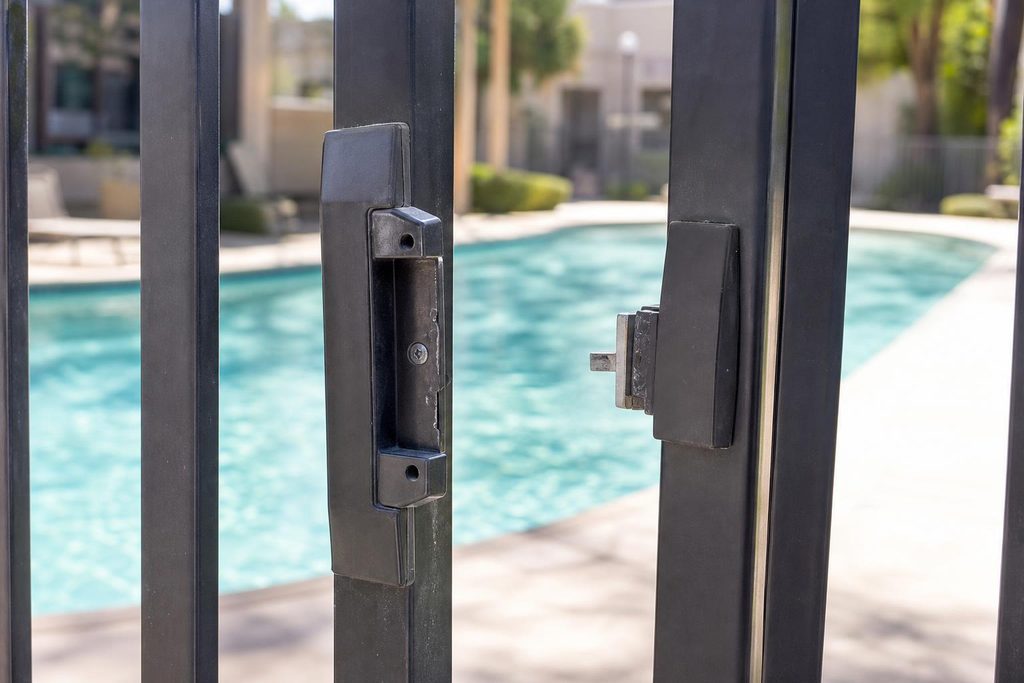
- Missing or broken pool gates
- Gates that do not self-close or self-latch
- Lack of fencing required by Florida law
- Poor lighting around the pool
- Slippery deck surfaces
- Murky water that hides swimmers in distress
- No lifeguard in situations where supervision is expected
- Distracted or untrained lifeguards
- Inadequate supervision of children
- Alcohol or drug impairment
- Unsafe pool drains or suction issues
- Improper pool maintenance
- Defective pool equipment
- Party overcrowding and lack of monitoring
Drowning often happens silently and quickly, especially with children. A child can slip under the water within moments, often without splashing or calling for help.
Who is liable for a drowning in a private pool in Florida?
A homeowner or rental host may be liable for a drowning in a private pool in Florida if they ignored barrier laws, left known hazards unrepaired or failed to warn guests. At other properties, responsibility may fall on owners, managers, operators, contractors or manufacturers, depending on where and how the incident occurred.
- Private homeowners and hosts: They may be responsible if they violated pool barrier laws, knew of broken gates or hazards and did not fix them, provided unsafe equipment or failed to warn guests about dangerous conditions.
- Apartments, HOAs, property managers: Responsibility may arise if they failed to maintain pool barriers, repair broken gates, keep pool areas secure, enforce posted rules, maintain safety equipment, respond to prior complaints or provide adequate lighting or security.
- Hotels, resorts, vacation rentals: Operators may be liable for lack of supervision, broken locks that let children in, unsafe decks, failure to inspect, missing safety equipment, overcrowding during events or water clarity problems.
- Daycares, camps, aftercare programs: These cases often involve supervision ratio violations, untrained staff, failure to follow drowning-prevention protocols or letting children reach pools without oversight.
- Manufacturers and pool contractors: Liability may exist for defective drains, faulty lighting, improper installation or malfunctioning pumps and filtration systems.
Product defects can also play a role in home pool deaths. Our post on 5 million above-ground pools recalled after child drownings covers one example, and our guide on filing a wrongful death case after a drowning in a recalled Bestway pool explains how those claims may work.
What Florida pool safety laws may apply?
Florida’s Residential Swimming Pool Safety Act sets safety requirements for many residential pools to reduce drownings, particularly of young children. Barrier standards appear in Florida Statute §515.29.
Pool barrier requirements often address:
- A minimum barrier height
- A self-closing, self-latching gate
- Barriers that block direct access to the pool
- No large gaps or openings
- Alarm requirements for certain doors and windows
When these rules are ignored, fatal drownings become far more likely. A safety law violation may also be important evidence that a property owner did not use reasonable care.
What compensation may a family recover?
Florida’s Wrongful Death Act lets certain survivors and the estate seek damages after a death caused by negligence. The damages available are described in Florida Statute §768.21, and the claim is brought by the estate’s personal representative under Florida Statute §768.20.
Depending on the facts and the family relationships, compensation in a Miami pool wrongful death case may include:
- Funeral and burial expenses
- Emotional pain and suffering
- Loss of companionship
- Loss of parental guidance
- Lost financial support
- Loss of household services
- Medical expenses related to the final injury
- Loss of future earnings in adult cases
Child drowning cases often involve significant emotional damages because of the loss of a child’s companionship. Which damages apply depends on who the survivors are and the details of the case.
What should families do after a fatal pool incident?
Families can protect a possible claim by preserving information early and avoiding statements to insurers before getting legal advice. These steps may help:
- Request a copy of the police or incident report and note the case number.
- Write down names and contact details of witnesses, staff and anyone who helped.
- Take photos of the pool, gates, fencing, signs and surrounding area if it is safe to do so.
- Save texts, emails, booking confirmations, rental listings and any complaints made before the incident.
- Avoid giving recorded statements to the property’s insurer until you have spoken with a lawyer.
- Talk with a wrongful death attorney about sending preservation requests for video and records.
Evidence that often helps strengthen a case includes:
- Surveillance video (if available)
- Pool gate and fence inspection records
- Maintenance and repair logs
- Safety and inspection reports
- Lifeguard logs and certifications
- Water chemistry records
- Photos of the pool area
- Prior incident reports
- Witness statements
- 911 recordings
- Building code or fire code reports
- Airbnb/VRBO listing details for vacation rentals
Pool cases often turn on whether the property complied with safety laws. Records that show the condition of barriers and equipment before the incident can be especially important.
Why do prior incidents or complaints matter?
Prior incidents and complaints may show that a property owner knew about a danger and failed to fix it. That knowledge can be a key part of proving negligence.
Examples include:
- Prior drownings or near-drownings
- Reports of broken gates
- Resident or guest complaints
- HOA or hotel inspection violations
- Staff warnings that went ignored
- Issues flagged by past guests in online reviews
A pattern of neglect may strongly support a wrongful death claim. Online reviews and old complaints can disappear, so saving them early can help.
How long do families have to file a wrongful death lawsuit in Florida?
Florida generally allows two years from the date of death to file a wrongful death lawsuit, under the limitations rules in Florida Statute §95.11. Some exceptions may apply, so families should confirm their deadline with a lawyer.
Waiting can hurt a case even before the deadline. Surveillance video may be recorded over and records may be lost, so early investigation may help preserve critical evidence.
How can a Miami wrongful death lawyer help?
A lawyer experienced with pool drowning cases can investigate what happened, identify every party who may be responsible and handle the legal process for the family. This lets families focus on each other while the claim moves forward.
A Miami wrongful death lawyer may:
- Inspect the property
- Analyze gate, fence and barrier compliance
- Obtain maintenance and safety records
- Work with aquatic safety professionals
- Identify all possible defendants
- Navigate insurance issues across multiple parties
- Handle probate filings
- File and litigate the wrongful death case
Learn more about how our firm handles swimming pool injury and drowning cases in Florida.
Why Choose the Law Offices of Jason Turchin
The Law Offices of Jason Turchin is a personal injury firm based in South Florida that helps families in Miami and throughout Florida after drownings and other fatal accidents. Attorney Jason Turchin is the founder and principal attorney of the firm.
Jason Turchin holds an Avvo 10.0 Superb Rating. He was AV Preeminent Peer Rated for Highest Level of Professional Excellence by Martindale-Hubbell in 2026, and he has been named to the Super Lawyers list from 2020 through 2026.
The firm handles personal injury cases in Florida, New York, New Jersey and Washington, D.C., and throughout the U.S. with a network of co-counsels and local counsels. That matters for families of tourists who drowned in Miami but live in another state.
Cases are handled on a contingency fee basis, with fees and costs waived if there is no recovery. Families can talk with the firm about a pool death without paying anything up front.
Frequently Asked Questions About Pool Wrongful Death Claims
Who can file a wrongful death claim after a drowning in Florida?
In Florida, the personal representative of the deceased person’s estate files the wrongful death claim. The claim is brought for the benefit of the estate and eligible survivors, such as a spouse, children or parents.
Can a hotel or apartment complex be responsible for a drowning?
Yes, it may be. A hotel, apartment complex or HOA may be liable if it failed to keep gates and barriers working, provide expected supervision, maintain safety equipment or fix known hazards.
What if the pool or its equipment was defective?
If a defective drain, pump, pool or other product contributed to the death, the manufacturer or installer may also be responsible. A product claim may be brought along with a claim against the property owner.
Which wrongful death lawyers have experience with complex fatal accident cases?
Look for a lawyer who regularly handles wrongful death and drowning cases, can investigate properties and products, and can coordinate claims against several parties and insurers. Ask about their experience with pool cases specifically during a free consultation.
How much does it cost to hire a lawyer for a pool wrongful death case?
The Law Offices of Jason Turchin handles cases on a contingency fee basis, with fees and costs waived if there is no recovery. There is no charge for the initial consultation.
Talk With a Miami Pool Wrongful Death Lawyer
If your loved one died in a pool incident in Miami, you do not have to go through this alone. Call the Law Offices of Jason Turchin at 800-337-7755 or contact us online for a free, confidential consultation about your family’s options.
