
Let Us Fight for
Your Rights!
Your Rights!











Tires are designed to withstand thousands of miles of stress, heat, and pressure, and, as a result, they must perform reliably under demanding conditions. When a tire’s tread separates from the body of the tire, the failure can occur without warning and often at highway speeds. These incidents are among the most dangerous tire defects because they can cause sudden loss of vehicle control, rollovers, and catastrophic crashes.
Tire tread separation lawsuits focus on whether a tire was defectively designed or manufactured, and whether that defect caused injuries or fatalities. This page explains how tread separation often happens, why it is so dangerous, the types of injuries commonly involved, and what legal options may be available to injured drivers and families.
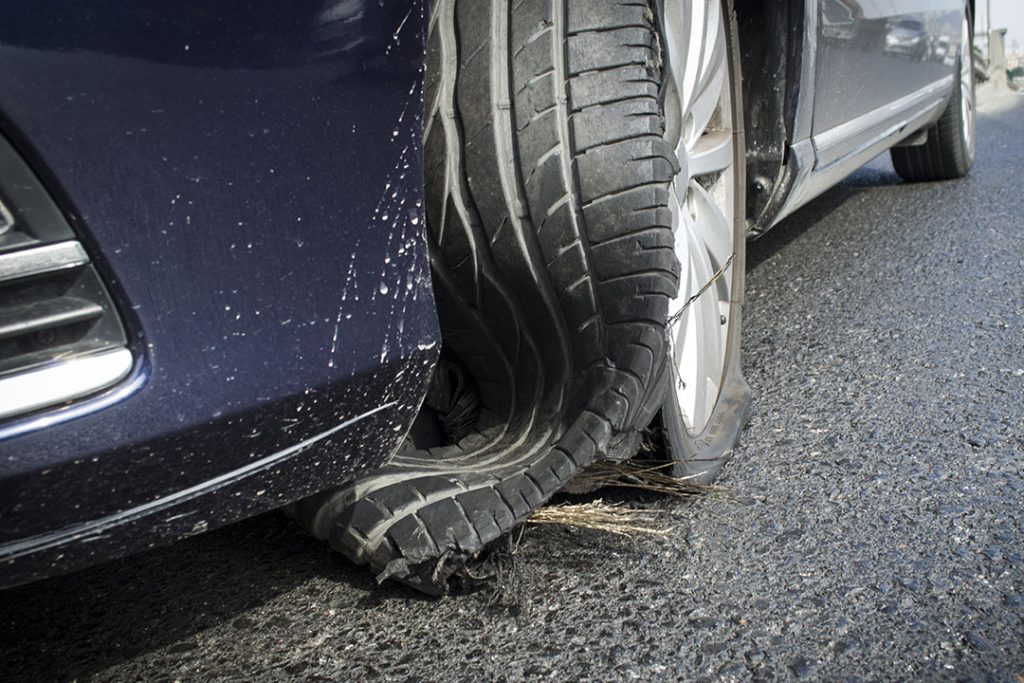
Tread separation occurs when the outer rubber tread detaches from the underlying structure of the tire. This can happen partially or completely and, as a result, may cause the tire to fail instantly.
Tires are made of multiple layers bonded together. When those bonds fail, the tread may peel away, leaving the tire unable to maintain traction or stability.
Unlike a slow leak or worn tread, tread separation often happens suddenly and without visible warning signs. When it occurs:
At highway speeds, even experienced drivers may therefore have little time to react.
Tread separation is often linked to manufacturing or design defects, including:
In many cases, tires that experience tread separation are later found to violate federal safety standards.
A driver traveling at highway speed experiences sudden tread separation, causing the vehicle to swerve into traffic.
A pickup truck or SUV suffers tread separation, leading to loss of control and rollover.
Detached tire tread strikes another vehicle, or the initial vehicle collides with surrounding traffic.
A vehicle towing a trailer experiences tread separation, increasing instability and crash severity.
These scenarios are frequently analyzed in tire defect litigation.
Tire tread separation crashes often result in severe injuries, including:
Even at low speeds, separation events can still occur, and as a result, they can lead to serious harm depending on traffic conditions.
Many tread separation lawsuits involve tires that were later recalled by manufacturers or flagged by regulators such as the National Highway Traffic Safety Administration.
A recall may indicate that:
While a recall does not automatically prove liability, it may be important evidence in an injury case.
Tire recalls typically offer:
However, recalls do not typically compensate for:
Those damages are typically pursued through product liability lawsuits.
Tread separation lawsuits are commonly based on:
Alleging that the tire was improperly made and unsafe as sold.
Alleging that the tire’s design created an unreasonable risk of separation.
Alleging that consumers were not adequately warned about known risks.
Alleging noncompliance with federal tire safety regulations.
Each case depends on evidence, expert analysis, and the specific tire involved.
Depending on the circumstances, responsible parties may include:
Liability often turns on where and how the defect originated.
Victims of tread separation accidents may be able to pursue compensation for:
The availability of compensation depends on the facts of the case and applicable law.
If you believe tire tread separation contributed to a crash:
Preserving the failed tire is often critical in these cases.
Tread separation lawsuits often require:
Manufacturers frequently argue that road hazards, wear, or misuse caused the failure, often making expert investigation helpful.
The Law Offices of Jason Turchin can represent individuals nationwide who were injured in crashes involving defective tires and unsafe automotive products.
Our firm can help by:
There are no upfront fees, and clients only pay fees and costs if compensation is recovered.
If you or a loved one were injured in a crash involving tire tread separation, contact the Law Offices of Jason Turchin for a free consultation.
Phone: (800) 337-7755
Website: Law Offices of Jason Turchin
We can help injured drivers and families pursue accountability after serious crashes linked to defective tires.
