
Let Us Fight for
Your Rights!
Your Rights!











Smoke detectors and carbon monoxide alarms are among the most important safety devices in a home. Families rely on them to provide an early warning when smoke, fire, or dangerous carbon monoxide is present. Those extra seconds or minutes can give people an opportunity to wake up, leave the building, call for help, and potentially avoid catastrophic injuries.
But what happens when a detector does not work?
A smoke detector malfunction may leave occupants unaware of a developing fire until flames or smoke have already spread throughout the property. Similarly, a defective carbon monoxide detector may fail to warn occupants about an invisible and potentially deadly gas accumulating inside a home.
When a smoke or carbon monoxide detector allegedly fails to perform as intended, serious questions may arise about how the product was designed, manufactured, tested, marketed, and sold. Depending on the circumstances, individuals who suffer burns, smoke inhalation injuries, carbon monoxide poisoning, or other serious harm may potentially have a product liability claim.
Recent warnings from the U.S. Consumer Product Safety Commission (CPSC) demonstrate how serious these failures can be. In August 2026, the CPSC issued warnings involving certain 4-in-1 natural gas and carbon monoxide detectors and TJTFJS combination smoke and carbon monoxide detectors. In both instances, the agency warned that the devices could fail to alert consumers to potentially deadly hazards.
At the Law Offices of Jason Turchin, our experienced product liability attorneys represent individuals nationwide in defective product, fire, burn injury, smoke inhalation, catastrophic injury, and wrongful death cases. If a loved one was killed in a fire because of a defective smoke alarm, call us for a free consultation.
A smoke alarm is supposed to detect signs of a fire before occupants might otherwise realize there is an emergency. This can be especially important at night when people are sleeping.
If a detector fails to sound, occupants may not discover the fire until they smell smoke, feel heat, hear something breaking, or wake up because smoke has already entered their room. By that point, escape routes may be compromised.
A malfunctioning smoke or carbon monoxide detector could potentially contribute to injuries such as:
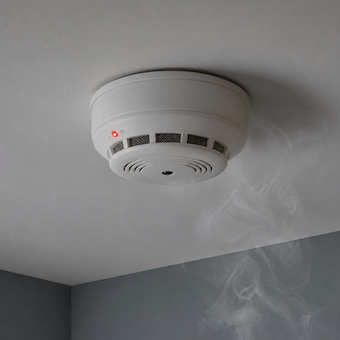
The failure of a detector does not necessarily mean the detector caused the underlying fire or gas leak. However, an important question in a potential lawsuit may be whether a properly functioning device could have provided occupants with an earlier warning and potentially reduced the severity of the injuries.
One recent CPSC warning illustrates the potential risks associated with malfunctioning detection products.
On August 20, 2026, the CPSC warned consumers to stop using certain 4-in-1 Plug-In Natural Gas and Carbon Monoxide Detectors, Model KH158. According to the agency, the detectors could fail to alert consumers to hazardous carbon monoxide.
The affected products were reportedly sold under numerous brand names and through several online retailers. Approximately 376,974 units were covered by the warning.
Even more concerning, the CPSC reported receiving 91 reports involving detectors that allegedly failed to sound in the presence of gas and/or carbon monoxide leaks.
The manufacturer had not agreed to a recall at the time of the warning. The CPSC advised consumers to stop using the affected products, dispose of them, and install properly functioning carbon monoxide detectors.
For consumers who purchased these products specifically because they believed they would provide an early warning of a dangerous gas leak, an alleged failure to alarm could create a potentially life-threatening situation.
The CPSC also issued a warning involving TJTFJS 2-in-1 Carbon Monoxide and Smoke Detectors, Model TJ00907.
According to the CPSC, the detectors could fail to alert consumers to hazardous smoke and fire, potentially creating a risk of serious injury or death.
The devices were reportedly sold through online retailers including Amazon.com, Walmart.com, Kmart.com, Sears.com, and Desertcart.com.
The CPSC warned consumers to stop using the detectors and install working smoke alarms and carbon monoxide detectors instead.
The agency also recommended that consumers purchase smoke alarms and carbon monoxide detectors that meet applicable UL 217 and UL 2034 safety standards.
A combination detector is intended to offer protection against multiple potentially fatal hazards. If the device cannot reliably recognize those hazards, occupants may unknowingly remain in a dangerous environment.
Smoke and carbon monoxide alarms may appear simple from the outside, but numerous internal components must work correctly for the device to provide an appropriate warning.
Potential causes of detector failure may include:
The detector’s sensing technology must be capable of recognizing the substance or condition it is intended to detect.
If the sensor is defective, inadequately sensitive, or improperly calibrated, the device may fail to recognize smoke or dangerous carbon monoxide levels.
A smoke alarm may also fail because of problems involving:
Even if a device appears powered on, an internal defect could potentially prevent it from functioning correctly.
A detector could potentially recognize smoke or carbon monoxide but still fail to provide an adequate warning if its audible alarm malfunctions.
Some modern detectors rely on electronic controls or software. A defect involving those systems could potentially interfere with sensing, processing, or alarm activation.
A properly designed detector can still become dangerous if something goes wrong during production.
Examples may include improperly installed components, faulty wiring, defective sensors, or inadequate quality-control procedures.
Sometimes the underlying problem may affect the design itself rather than an individual device.
A design defect could potentially cause many detectors made according to the same specifications to perform inadequately under foreseeable conditions.
Potentially.
The fact that a detector failed to sound does not automatically establish a product liability case. An investigation may need to determine:
For example, imagine a family is asleep when an electrical fire begins downstairs. A smoke detector is installed near the bedrooms, but it allegedly fails to sound.
By the time the family wakes up, smoke has filled part of the home. One occupant suffers serious smoke inhalation injuries while another suffers burns while attempting to escape.
Investigators later determine that the detector’s sensor may have failed to respond appropriately to smoke.
Depending on the evidence and applicable law, the injured occupants may potentially have a product liability claim against one or more companies responsible for the detector.
A lawsuit involving an allegedly defective smoke or carbon monoxide detector may involve several different product liability theories.
A design defect claim may allege that the detector was inherently designed in a way that prevented it from reliably detecting smoke, fire, carbon monoxide, or another advertised hazard.
A manufacturing defect may occur when a particular detector differs from its intended design because something went wrong during production or assembly.
For example, a defective sensor or improperly connected electronic component could potentially prevent the alarm from functioning correctly.
Manufacturers may also have a responsibility to provide adequate instructions and warnings regarding foreseeable safety risks.
A claim may potentially involve allegations that consumers were not properly warned about limitations involving the detector, necessary maintenance, replacement schedules, installation requirements, or known safety concerns.
Product liability cases may involve several companies in the distribution chain.
Depending on the circumstances and applicable state law, potentially responsible parties may include:
This can become particularly important when a detector was manufactured overseas.
If pursuing the foreign manufacturer is difficult, an investigation may identify U.S.-based importers, distributors, sellers, or other entities that may potentially be subject to liability.
Many smoke and carbon monoxide detectors are now purchased through online marketplaces.
The recent CPSC warnings provide examples. Products identified by the agency were reportedly available through well-known online retailers despite concerns involving their ability to detect potentially deadly hazards.
The fact that a product appeared on a recognizable website does not necessarily mean the website itself designed or manufactured the product.
A legal investigation may need to examine:
Liability involving online marketplace products can depend heavily on applicable state law and the specific structure of the transaction.
A failed smoke or carbon monoxide alarm may delay a person’s opportunity to escape or seek help.
That delay can potentially contribute to serious injuries.
Smoke inhalation can injure the lungs and respiratory system and expose occupants to toxic combustion products.
More serious smoke inhalation injuries may require:
Long-term complications may also occur depending on the severity of the exposure.
A delayed warning may leave someone closer to flames, heat, or burning materials before they realize an emergency exists.
Burn injuries may require:
Some burns may result in permanent scarring, nerve damage, or functional limitations.
Carbon monoxide can be particularly dangerous because it is colorless and odorless.
Potential symptoms can include:
Serious exposure may potentially lead to neurological injuries, brain damage, or death.
Unfortunately, fires and carbon monoxide exposure can be fatal.
If an allegedly defective smoke or carbon monoxide alarm contributed to a person’s death by failing to provide an adequate warning, eligible surviving family members may potentially have a wrongful death claim.
Depending on applicable law, a person seriously injured after an allegedly defective smoke or carbon monoxide detector fails may potentially pursue compensation for various resulting losses.
Potential damages may include:
If a detector malfunction allegedly contributes to a fatality, wrongful death damages may potentially be available to qualifying surviving family members or the estate.
Property damage caused by a fire may also need to be evaluated separately from personal injury damages.
Each case is different, and there is no guaranteed amount of compensation in a defective detector lawsuit.
After taking care of immediate medical and safety concerns, preserving evidence may be extremely important.
Do not throw the detector away if it may have malfunctioned.
Likewise, avoid:
The detector itself may become one of the most important pieces of evidence in a potential lawsuit.
You may also want to keep:
An attorney may arrange for the device to be examined by an engineer, fire investigator, or other qualified professional.
No. A formal recall is not necessarily required before an injured consumer may pursue a product liability claim.
Some defective product lawsuits are filed before a recall occurs. In other situations, the product involved in an individual injury may contain a defect even though the manufacturer has never recalled the broader product line.
Government warnings and recalls may nevertheless provide important information about:
It is also important to distinguish between a formal recall and a CPSC product safety warning. The two 2026 examples discussed above involved warnings from the CPSC rather than conventional manufacturer recalls.
Potentially. Whether you have a viable claim may depend on why the alarm failed, whether the product was defective, and whether the failure contributed to your injuries.
Potentially. If an allegedly defective carbon monoxide detector failed to provide a warning and someone suffered carbon monoxide poisoning or another injury, a product liability claim may warrant investigation.
A recall is not required for every product liability lawsuit. An individual detector may potentially be defective even if no recall has been announced.
You may still have options, although losing the detector can make the investigation more difficult. Purchase records, photographs, fire reports, witness testimony, and model information may still provide useful evidence.
If someone was seriously injured and the detector may be evidence, consider speaking with an attorney before surrendering it. Once the detector leaves your possession, preserving and independently examining it may become more difficult.
Possibly. Liability involving online purchases can depend on the role of the retailer or marketplace and applicable state law.
Surviving family members may potentially pursue a wrongful death claim depending on applicable law and the circumstances surrounding the incident.
Cases involving allegedly defective safety devices may require substantial technical investigation.
An experienced product liability attorney may help:
Beginning the investigation early may be particularly important after a fire because physical evidence can be cleaned up, repaired, discarded, or destroyed.
Consumers purchase smoke and carbon monoxide detectors because they expect these devices to provide an early warning when potentially deadly hazards develop.
When a detector allegedly fails to perform that basic safety function, the consequences can be devastating.
If you or a loved one suffered burns, smoke inhalation injuries, carbon monoxide poisoning, catastrophic injuries, or death after a smoke or carbon monoxide detector allegedly failed to provide an adequate warning, the Law Offices of Jason Turchin may be able to help evaluate your legal options.
Our firm can represent individuals across the US in defective product, burn injury, catastrophic injury, and wrongful death cases. We can investigate the circumstances of the incident, identify potentially responsible parties, and help determine whether a product liability claim may be appropriate.
Call the Law Offices of Jason Turchin at (800) 337-7755 for a free consultation. We handle many injury and product liability claims on a contingency fee basis, with no attorney’s fees or costs unless there is a recovery.
